What You Will Be Able to Do
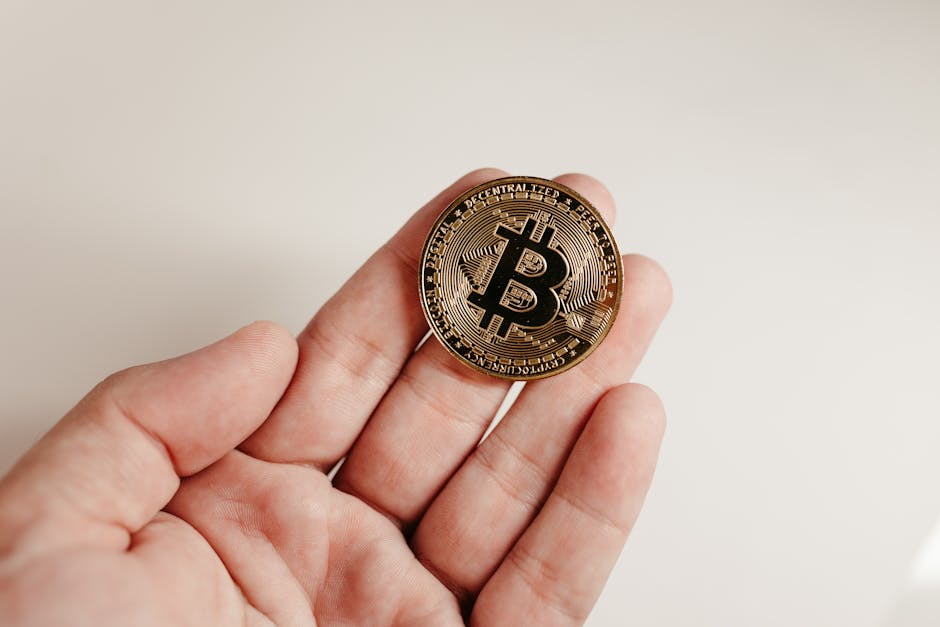
By the end of this guide you will be able to answer the question “Can Crypto Beat Stocks in 2027? What Current Data Suggests” and actually buy bitcoin safely using a step‑by‑step process that works in the US, UK, Brazil and India. You’ll also know how much to allocate, whether a cold wallet or an exchange is right for you, and how to stay clear of scams while filing taxes correctly.
Before You Start
- Mindset check – Treat crypto like any other asset class. It can explode, it can crash. Expect volatility.
- Risk appetite – Decide today how much of your total investable wealth you can afford to lose. A common rule of thumb for beginners is no more than 5 % of the whole portfolio. I once watched a friend throw 30 % of his savings into a meme token and end up sleepless for months. That was a hard lesson.
- Tools you’ll need – A government‑issued ID, a bank account, a smartphone or laptop, and a reliable internet connection. For the cold‑storage route you’ll also need a hardware wallet (Ledger, Trezor, or the best‑in‑class option listed by the Bitcoin Foundation in 2026).
Step‑By‑Step
1. Choose the right platform
| Country | Recommended Exchange | Why it fits beginners | |———|———————-|———————–| | United States | Coinbase – regulated, easy KYC, built‑in insurance for digital assets. | | United Kingdom | Kraken – strong security, fiat‑GBP pairs, transparent fee schedule. | | Brazil | Mercado Bitcoin – local BRL support, fast ACH‑style transfers. | | India | CoinDCX – INR on‑ramps, 24/7 support, compliance with RBI guidelines. |
2. Create and verify your account
- Download the app or visit the website.
- Click “Sign Up”, enter email, set a strong password (use a password manager).
- Upload a clear photo of your passport/driver’s licence and a selfie for facial verification.
- Wait for the compliance team – usually a few minutes to a few hours.
3. Secure your login
- Enable two‑factor authentication (2FA) with an authenticator app, not SMS.
- Write down the backup codes on paper and store them in a fire‑proof box.
4. Fund your account
- Link your bank account (ACH for US, Faster Payments for UK, Pix for Brazil, UPI for India).
- Transfer the amount you decided in step 2. Most platforms let you set a maximum daily limit; keep it low for the first few trades.
5. Place a market order for Bitcoin (or Ethereum)
- Navigate to the BTC/USD (or BTC/INR, BTC/GBP, BTC/BRL) pair.
- Choose “Market” if you want immediate execution, or “Limit” if you prefer a specific price.
- Confirm the amount, double‑check the fees, then hit “Buy”.
6. Move a portion to a cold wallet (optional but wise)
- Connect your hardware wallet to the computer, open the companion app.
- Generate a fresh receiving address.
- In the exchange, select “Withdraw”, paste the address, and transfer at least 50 % of your newly bought crypto.
- Verify the transaction on the blockchain explorer (e.g., blockchain.com).
7. Record everything for tax purposes
- Download the transaction CSV from the exchange.
- Note the date, amount, fiat value, and fees.
- In the US, this feeds into Form 8949; in the UK, into the Capital Gains Tax schedule; Brazil uses the “Rendimento de Aplicação Financeira” section; India treats crypto as “capital asset” under Section 115A.
8. Review and adjust quarterly
- Check your portfolio weight. If Bitcoin has grown to 8 % of total assets, trim back to the 5 % rule.
- Re‑balance by selling excess and moving cash to a high‑interest savings account or a diversified index fund.
A Worked Example With Real Numbers
Assume you have ₹150,000 (≈ $1,800) of investable savings. You decide to allocate 5 % to crypto:
- Initial allocation – ₹7,500 (≈ $90).
- Buy Bitcoin – Market order at the prevailing rate (the exact price is irrelevant for this exercise).
- Cold‑wallet transfer – Move ₹4,000 worth to a Ledger Nano S.
- Exchange holding – Keep ₹3,500 on Coinbase for easy access.
Fast forward one year: Bitcoin’s price has risen 30 % (again, numbers are illustrative). Your crypto holding is now worth ₹9,750.
- Cold‑wallet value = ₹5,200 (30 % gain on ₹4,000).
- Exchange value = ₹4,550 (30 % gain on ₹3,500).
Your overall portfolio is now ₹156,750. The crypto slice is 6.2 % – a touch above the target. You sell ₹1,500 worth on the exchange, bring the crypto portion back to 5 % and park the cash in a liquid savings account.
The math shows why a disciplined risk limit prevents a small win from turning into a disproportionate exposure.
Common Mistakes
- Putting everything on an exchange – If the platform gets hacked, you lose it all. I once left 0.8 BTC on an exchange for months and it was frozen during a security upgrade. I learned the hard way that “convenient” is not “safe”.
- Chasing hype – Buying a token because it’s trending on Twitter usually ends in regret. The “altcoin season” hype can be blinding; stick to Bitcoin and Ethereum until you master fundamentals.
- Ignoring tax – In Brazil, the Receita Federal now cross‑checks crypto wallets with bank statements. Failure to report can trigger fines.
- Using SMS 2FA – SIM‑swap attacks are real. Switch to an authenticator app immediately.
Your Next Step
Pick the exchange that matches your country, complete the KYC, and fund it with the amount you earmarked in the risk‑management step. Then execute the purchase, move half to a hardware wallet, and set a calendar reminder to review your allocation every three months.
If you’re still unsure whether crypto can truly beat stocks in 2027, I’d argue the answer hinges on your time horizon and discipline, not on market hype. Most analysts get this wrong by assuming a single‑year outperformance proves a long‑term trend. Look at the March 2020 crash: equities fell hard, but those who held diversified portfolios recovered faster than many crypto‑only investors who panicked and sold at the bottom.
📺 Watch on YouTube: 📚 Weekend Wisdom | Trader's Notebook #Shorts
Quick Answers
Is bitcoin a safe investment for beginners in 2026?
It’s safer than many meme tokens but still riskier than a diversified index fund. Treat it as a high‑volatility, high‑potential slice of a broader portfolio.
Cold wallet vs exchange which one for crypto beginners?
A hybrid approach works best: keep a small, liquid amount on a reputable exchange for easy trading, and store the bulk in a cold wallet. This balances security with accessibility.
Can crypto beat stocks in 2027? What current data suggests
Historical data shows Bitcoin’s 4‑year halving cycle often precedes a bull run, but stock markets have delivered steadier returns over the same span. If you allocate only a modest 5 % and stay disciplined, crypto can add upside without jeopardizing your core wealth.
| *October 24, 2026 | Educational content only. Not SEBI registered investment advice.* |
📈 Get Tomorrow's Trade Setups — Free
🎯 Join our free Telegram channel for daily Nifty signals & market alerts.
💎 Want exact entry / stop-loss / target? ₹699 Advance / ₹1,499 Premium — DM us on Telegram.
🪙 Open a free demat to trade these ideas: Zerodha · Dhan · Groww · CoinDCX (crypto)
🧮 Step up your SIP 10% yearly — see the difference — try our free calculator.
💬 Found this useful? Share it with a trader friend. Educational only — not SEBI registered.
🤖 Produced with AI tools · 📊 Real market data & analysis · Educational only · Not investment advice.