The Big Force Today
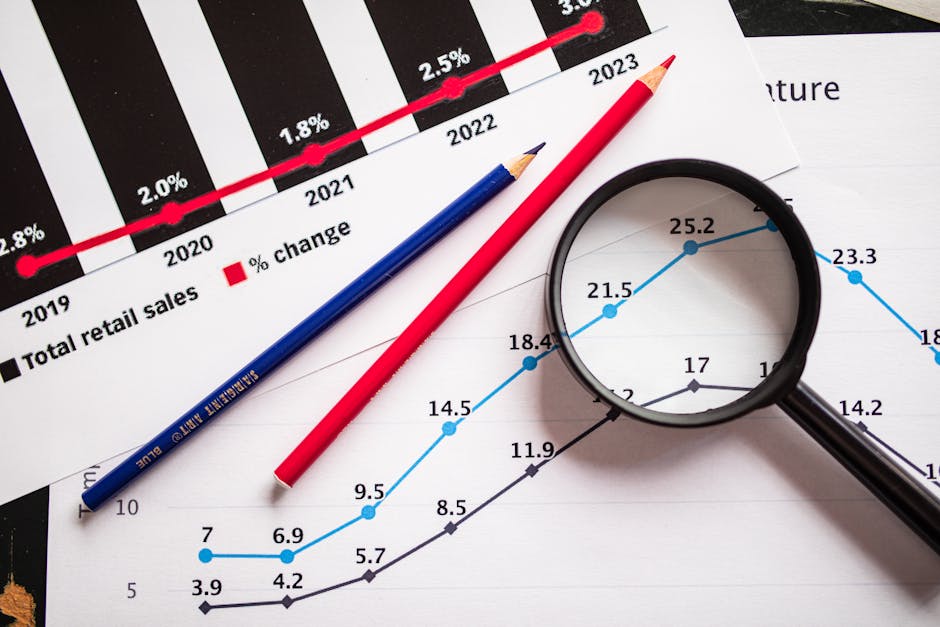
As we delve into the intricacies of global investor behavior through iPod era economic shifts, it’s crucial to acknowledge the profound impact of the US markets and the Dollar Index (DXY) on worldwide economies, including India, Brazil, and the UK. The global markets, particularly the US Dow and Nasdaq, have a ripple effect on other nations due to their significant influence on international trade, finance, and investment. I think it’s essential to recognize that the Dollar Index, which measures the value of the US dollar against a basket of major currencies, plays a pivotal role in shaping global market trends. In my view, understanding the dynamics of the US markets and the Dollar Index is vital for investors seeking to navigate the complexities of global markets.
How It Affects Each Market
The interconnectedness of global markets is evident in the way economic shifts in one region can have far-reaching consequences for others. For instance, a change in US monetary policy can impact interest rates, inflation, and currency values worldwide. I’d argue that the Federal Reserve’s decisions have a significant bearing on global market movements, as they can influence the flow of capital, commodity prices, and economic growth. The crude oil market, in particular, is sensitive to geopolitical events, supply and demand fluctuations, and currency movements, making it a critical component of global market dynamics. A friend asked me last week how the price of oil affects their investment portfolio, and I explained that it’s essential to consider the potential impact of oil price fluctuations on various asset classes, including stocks, bonds, and commodities.
India’s Position
India, as an emerging market, is heavily influenced by global economic trends, particularly those originating from the US. The Indian rupee’s value against the US dollar can significantly impact the country’s trade balance, inflation, and economic growth. I’ve noticed that when the US markets experience a downturn, Indian markets often follow suit, due to the significant foreign investment in Indian equities. However, I disagree with the notion that Indian markets are entirely dependent on US market movements. In my opinion, India’s economic growth, driven by domestic consumption and investment, can help mitigate the impact of global market volatility. Indian traders can open a free account at Zerodha to start investing in the Indian stock market.
US and Global Impact
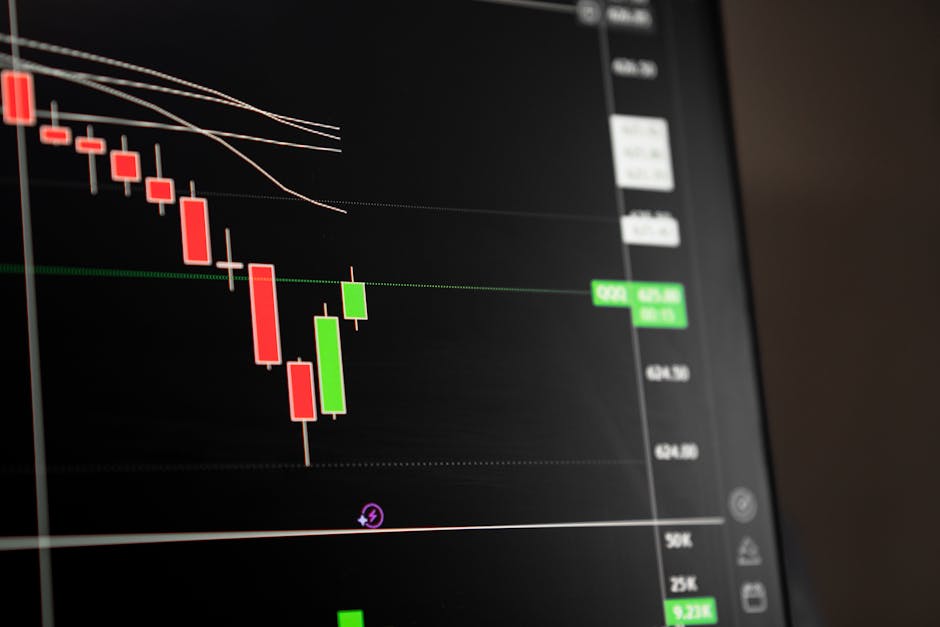
The US markets, including the Dow and Nasdaq, have a substantial impact on global investor behavior, as they are often seen as a benchmark for economic health and stability. The Dollar Index, which is heavily influenced by US monetary policy, can appreciate or depreciate in response to changes in interest rates, inflation, and economic growth. I think it’s essential to recognize that the US markets are not isolated from global events and that economic shifts in other regions, such as Europe and Asia, can also influence US market trends. For instance, a slowdown in Chinese economic growth can impact US companies with significant exposure to the Chinese market. You’ll find more insights on this topic in our article, 24 Hours That Shook Global Investor Sentiment And Nifty Fifty.
Numbers to Watch
When analyzing global market trends, it’s crucial to keep an eye on key economic indicators, such as GDP growth rates, inflation, and interest rates. I’ve found that understanding the relationships between these indicators can help investors make informed decisions about their portfolios. For example, a rising interest rate environment in the US can lead to a stronger dollar, which can, in turn, impact commodity prices and emerging market currencies. Assuming a 12% annual return on investment, a long-term investor can potentially accumulate significant wealth over time, but it’s essential to consider the potential risks and volatility associated with global market investments.
Scenario Analysis
In the event of a global economic downturn, it’s likely that investors will seek safer assets, such as US Treasury bonds, which can lead to a strengthening of the US dollar. I think it’s essential to consider the potential consequences of such a scenario on emerging markets, including India and Brazil. A strengthening dollar can make exports from these countries more expensive, leading to a decline in trade balances and economic growth. However, I’m not sure how the current economic landscape will evolve, and it’s possible that other factors, such as monetary policy decisions or geopolitical events, can influence global market trends.
📺 Watch on YouTube: 🌍 Global Market Pulse Today — Nifty, Gold & Bitcoin #Shorts
Key Questions Answered
FAQ
- Why do US markets and the Dollar Index move Indian markets? The US markets and the Dollar Index have a significant impact on Indian markets due to the country’s dependence on foreign investment and trade. A change in US monetary policy or a shift in the Dollar Index can influence interest rates, inflation, and economic growth in India.
- What is the difference between developed and emerging markets, and where should I invest in 2026? Developed markets, such as the US and Europe, are characterized by stable economies, mature financial systems, and low volatility. Emerging markets, such as India and Brazil, offer higher growth potential but come with higher risks and volatility. I think it’s essential to consider your investment goals, risk tolerance, and time horizon when deciding where to invest.
- How can I read macro signals without getting lost in noise, and what are the key factors driving share market trends globally? To read macro signals effectively, it’s crucial to focus on key economic indicators, such as GDP growth rates, inflation, and interest rates. I’ve found that understanding the relationships between these indicators can help investors make informed decisions about their portfolios. You can find more information on this topic in our article, 7 Key Factors Driving Share Market Today Trends Globally.
| *July 18, 2026 | Educational content only. Not SEBI registered investment advice.* |
📈 Get Tomorrow's Trade Setups — Free
🎯 Join our free Telegram channel for daily Nifty signals & market alerts.
💎 Want exact entry / stop-loss / target? ₹699 Advance / ₹1,499 Premium — DM us on Telegram.
🪙 Open a free demat to trade these ideas: Zerodha · Dhan · Groww · CoinDCX (crypto)
💬 Found this useful? Share it with a trader friend. Educational only — not SEBI registered.
🤖 Produced with AI tools · 📊 Based on real market data and sources · Educational only, not investment advice.