The Setup
Decoding share market India trends is crucial to boost IPO success rates, and I think it’s essential to understand the process of how to apply for IPO and evaluate it, especially for beginners. To start, let’s break down the basics: an Initial Public Offering (IPO) is when a private company issues stock to the public for the first time, allowing individuals to invest in the company. In India, this process is regulated by the Securities and Exchange Board of India (SEBI), while in the US, it’s overseen by the Securities and Exchange Commission (SEC). I’ve seen many investors, including my friends, get excited about IPOs, but it’s vital to approach them with a clear understanding of the process and the risks involved.
What the Data Actually Says
When evaluating an IPO, there are several key factors to consider, including the company’s financials, valuation, promoter quality, and use of funds. It’s also essential to understand what IPO GMP (grey market premium) means and its real limits. GMP is the premium at which the IPO shares are being traded in the grey market before the official listing. However, it’s crucial to remember that GMP is not always a reliable indicator of the stock’s future performance. In my view, it’s essential to look beyond the hype and focus on the company’s fundamentals. I’d argue that many investors get caught up in the excitement of an IPO and overlook the potential risks. For instance, I recall a conversation with a friend who invested in an IPO solely based on the GMP, without doing any thorough research, and ended up losing money.
How This Affects Each Country
In India, the IPO process is slightly different from that in the US. Indian traders can open a free account at Zerodha to apply for IPOs using the ASBA (Application Supported by Blocked Amount) or UPI (Unified Payments Interface) method. In the US, investors can apply for IPOs through a brokerage account, such as Webull. It’s vital to understand the specific rules and regulations in each country to navigate the IPO process effectively. I think it’s also important to consider the tax implications of investing in IPOs, as they can vary significantly between countries. For example, in India, the tax on IPO gains is subject to the investor’s tax slab, while in the US, it’s subject to capital gains tax.
Key Numbers to Know
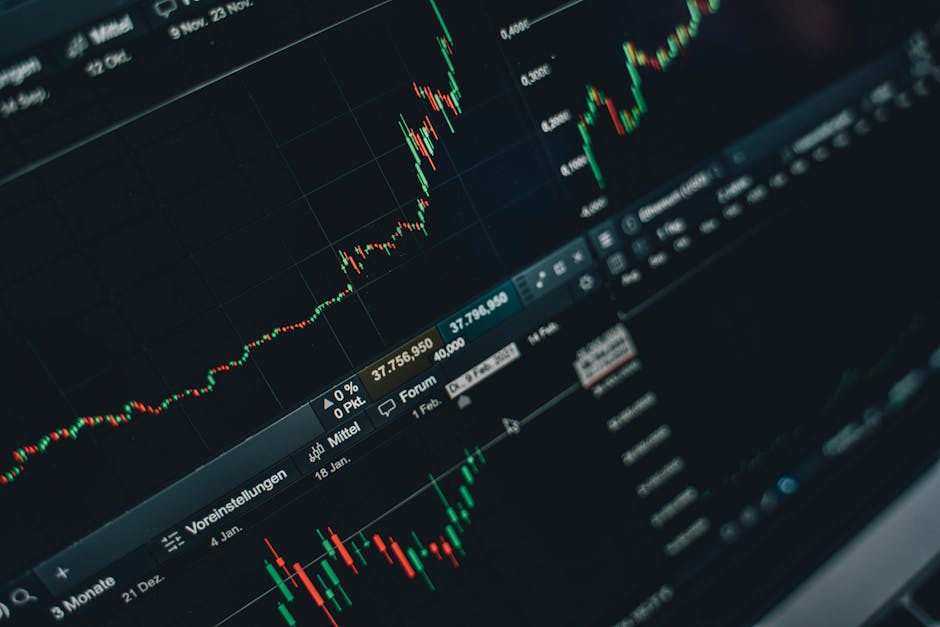
When evaluating an IPO, it’s essential to look at key numbers such as the company’s revenue growth, profit margins, and return on equity (ROE). It’s also crucial to consider the valuation multiples, such as the price-to-earnings (P/E) ratio and the price-to-book (P/B) ratio. I’ve found that many investors overlook these numbers and focus solely on the IPO’s potential for listing gains. However, I’d argue that this approach is flawed, as it’s essential to consider the company’s long-term potential and not just the short-term gains. For instance, a company with a high P/E ratio may not be a good investment if its growth prospects are limited. In my view, it’s essential to take a nuanced approach and consider multiple factors before investing in an IPO.
The Risk Nobody’s Talking About
One of the significant risks associated with IPOs is the potential for underperformance. Many IPOs fail to live up to their hype, and investors can end up losing money. I think it’s essential to be aware of this risk and not get caught up in the excitement of an IPO. It’s also crucial to consider the potential for volatility clustering, where the stock price can be highly volatile in the short term, leading to significant losses. In my view, it’s essential to have a long-term perspective and not get swayed by short-term market fluctuations. I recall a conversation with a friend who invested in an IPO and ended up losing money due to the high volatility, it was a tough lesson for him to learn.
My Take
I believe that decoding share market India trends is crucial to boost IPO success rates. It’s essential to approach IPOs with a clear understanding of the process and the risks involved. I’d argue that many investors get caught up in the hype and overlook the potential risks. In my view, it’s essential to take a nuanced approach and consider multiple factors before investing in an IPO. I think it’s also important to consider the tax implications and the potential for volatility clustering. By doing so, investors can make informed decisions and increase their chances of success. I’ve covered this topic in a piece earlier this week, and I’d recommend checking it out for more insights, you can find it at Deciphering Share Market News Today For Informed Investment Choices.
📺 Watch on YouTube: 🌍 Weekend Market Wisdom — Global Investing Tips #Shorts
Quick Answers
Here are some frequently asked questions about IPOs:
- Q: How to apply for IPO online in India using ASBA or UPI? A: Indian traders can open a free account at Zerodha to apply for IPOs using the ASBA or UPI method.
- Q: What is IPO GMP, and what are its real limits? A: IPO GMP is the premium at which the IPO shares are being traded in the grey market before the official listing, but it’s not always a reliable indicator of the stock’s future performance.
- Q: How to evaluate an IPO for investment, and what are the key factors to consider? A: When evaluating an IPO, it’s essential to consider the company’s financials, valuation, promoter quality, and use of funds, as well as the potential risks and tax implications, you can find more information at Decoding Share Market Today For Smarter IPO Investments.
| *June 27, 2026 | Educational content only. Not SEBI registered investment advice.* |
📈 Get Tomorrow's Trade Setups — Free
🎯 Join our free Telegram channel for daily Nifty signals & market alerts.
💎 Want exact entry / stop-loss / target? ₹699 Advance / ₹1,499 Premium — DM us on Telegram.
🪙 Open a free demat to trade these ideas: Zerodha · Dhan · CoinDCX (crypto)
💬 Found this useful? Share it with a trader friend. Educational only — not SEBI registered.
🤖 Produced with AI tools · 📊 Based on real market data and sources · Educational only, not investment advice.